The bronze mannikin or bronze munia is a small passerine (i.e. perching) bird of the Afrotropics.
Recorded year-round
Recorded in every month, so no month is the wrong month to look. We would rather say that than invent a best time.
Curve from 2,571 national iNaturalist observations, not from one property. Single-month spikes are discarded as upload artefacts, and below 50 records we show no curve at all.
KwaZulu-Natal and beyond
Provinces where Bronze Mannikin is most recorded. Tap one to find places to stay.
2,571 records, iNaturalist
10+ resultate in Suid-Afrika
Beplan 'n reis
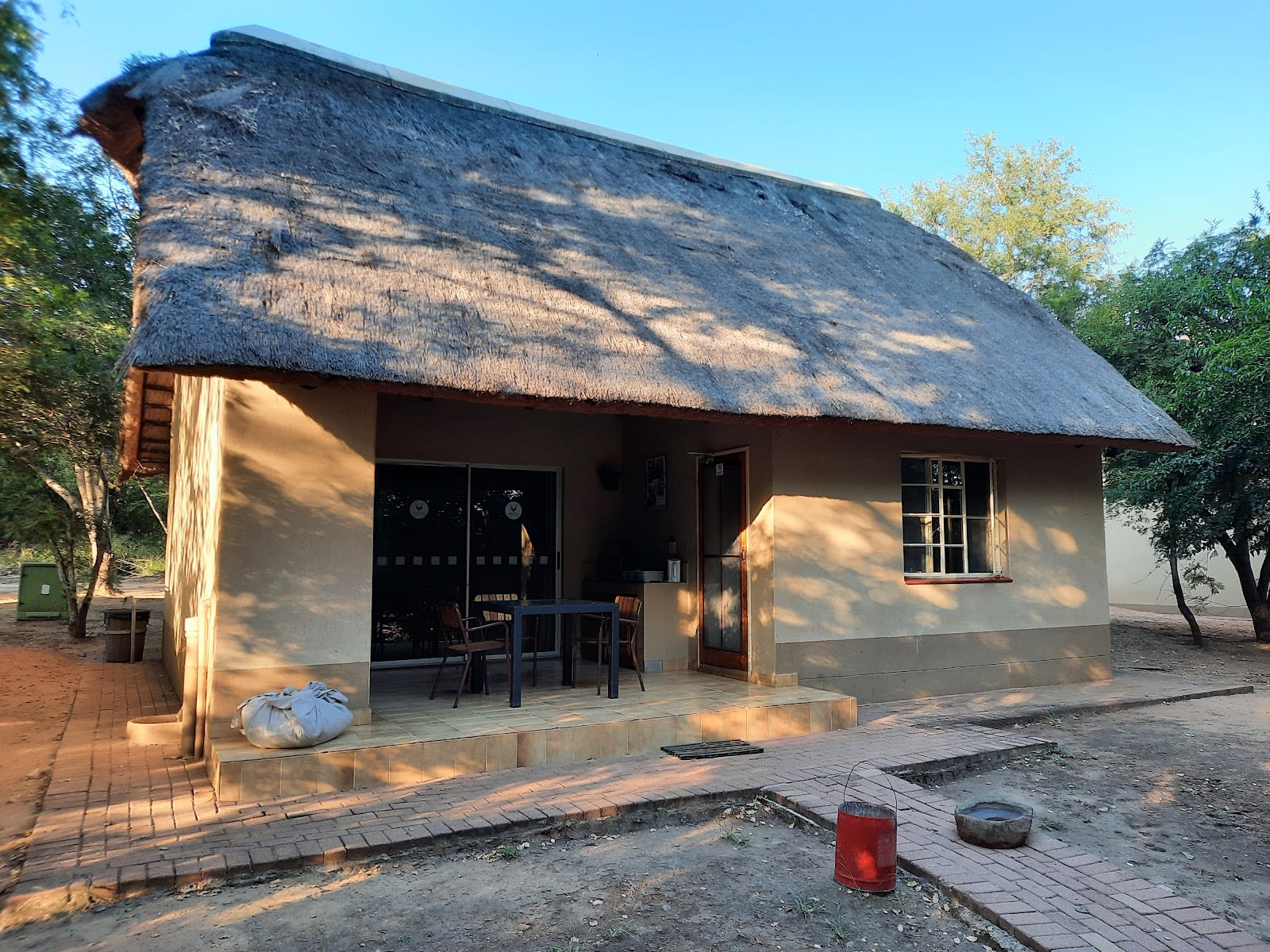
Gashere het die Bronze Mannikin aangeteken by verblyf in of langs Kruger National Park.
Ry self
Jou eie voertuig en pas, op die park se paaie.
Waar gashere dit aanteken
Spesie
Spermestes cucullata
Aantekeninge
2 571
iNaturalist-waarnemings
Elke bespreking op Spekboom ondersteun bewaring.
'n Aantekening beteken 'n gasheer het die Bronze Mannikin op die eiendom of naby gesien. Dit is nooit 'n waarborg van 'n waarneming nie.
Hosts on Spekboom have recorded the Bronze Mannikin at stays in or beside Kruger National Park. A record means a host has seen it on the property or nearby, which makes these the places to base yourself; it is never a guarantee of a sighting on any given day.
The Bronze Mannikin is most recorded in KwaZulu-Natal (44% of records), Gauteng (21% of records), Western Cape (17% of records), based on 2 571 iNaturalist observations. 15 places to stay on Spekboom in South Africa have recorded the Bronze Mannikin on site or nearby.
The Bronze Mannikin is recorded throughout the year, so no month is the wrong month to look for it. For the parks where hosts record it most, these are the best seasons they give. Kruger National Park: Apr-Sep. In the dry months animals concentrate at water and the grass is short.
The bronze mannikin or bronze munia is a small passerine (i.e. perching) bird of the Afrotropics. This very social estrildid finch is an uncommon to locally abundant bird in much of Africa south of the Sahara Desert, where it is resident, nomadic or irruptive in mesic savanna or forest margin habitats. It has an estimated global extent of occurrence of 8,100,000 km².