The burnt-necked eremomela (Eremomela usticollis) is a species of bird formerly placed in the "Old World warbler" assemblage, but now placed in the family Cisticolidae.
Recorded year-round
Recorded in every month, so no month is the wrong month to look. We would rather say that than invent a best time.
Curve from 181 national iNaturalist observations, not from one property. Single-month spikes are discarded as upload artefacts, and below 50 records we show no curve at all.
Limpopo and beyond
Provinces where Burnt-necked Eremomela is most recorded. Tap one to find places to stay.
181 records, iNaturalist
4 resultate in Suid-Afrika
Beplan 'n reis
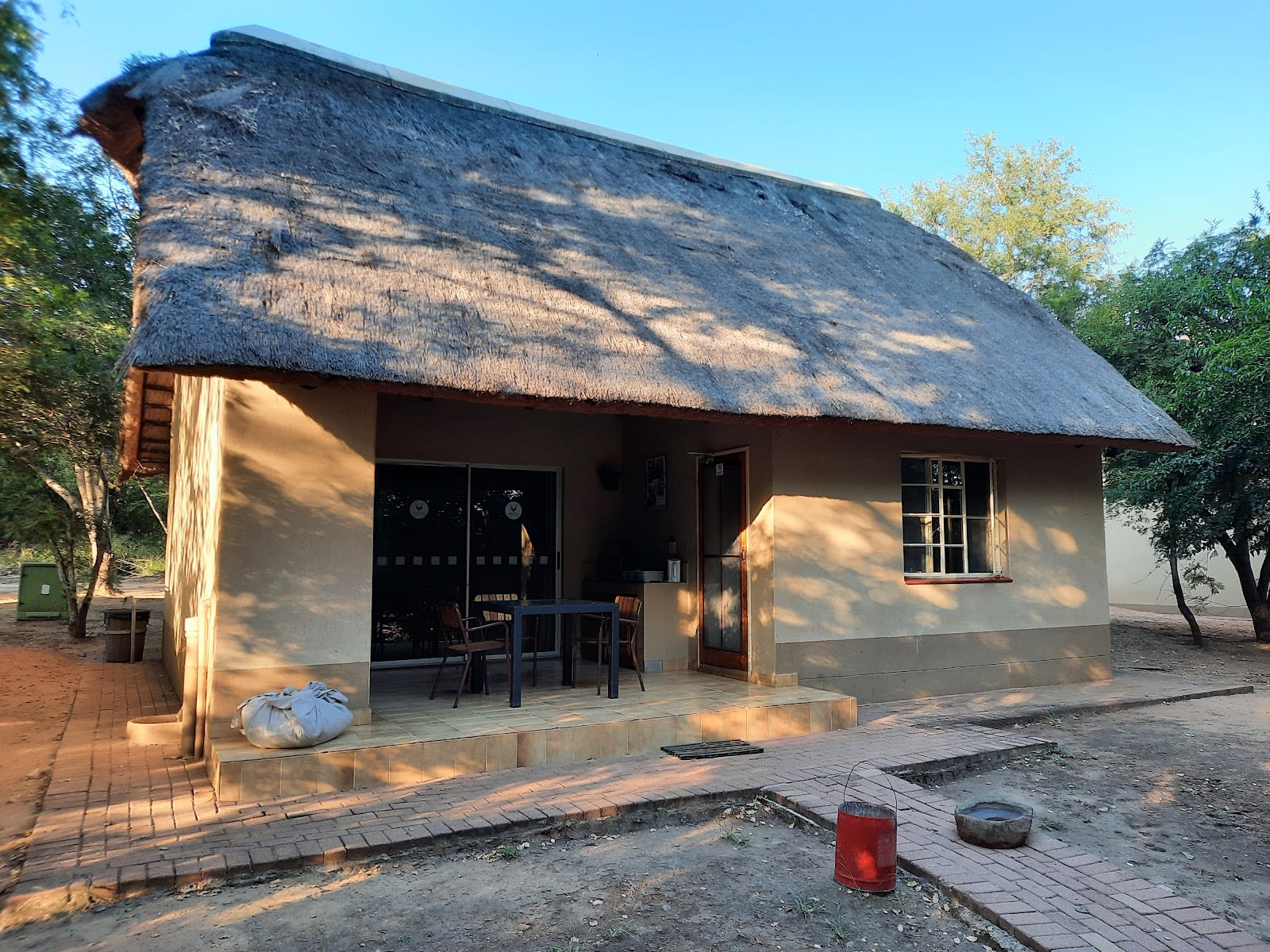
Gashere het die Burnt-necked Eremomela aangeteken by verblyf in of langs Kruger National Park.
Ry self
Jou eie voertuig en pas, op die park se paaie.
Waar gashere dit aanteken
Spesie
Eremomela usticollis
Aantekeninge
181
iNaturalist-waarnemings
Elke bespreking op Spekboom ondersteun bewaring.
'n Aantekening beteken 'n gasheer het die Burnt-necked Eremomela op die eiendom of naby gesien. Dit is nooit 'n waarborg van 'n waarneming nie.
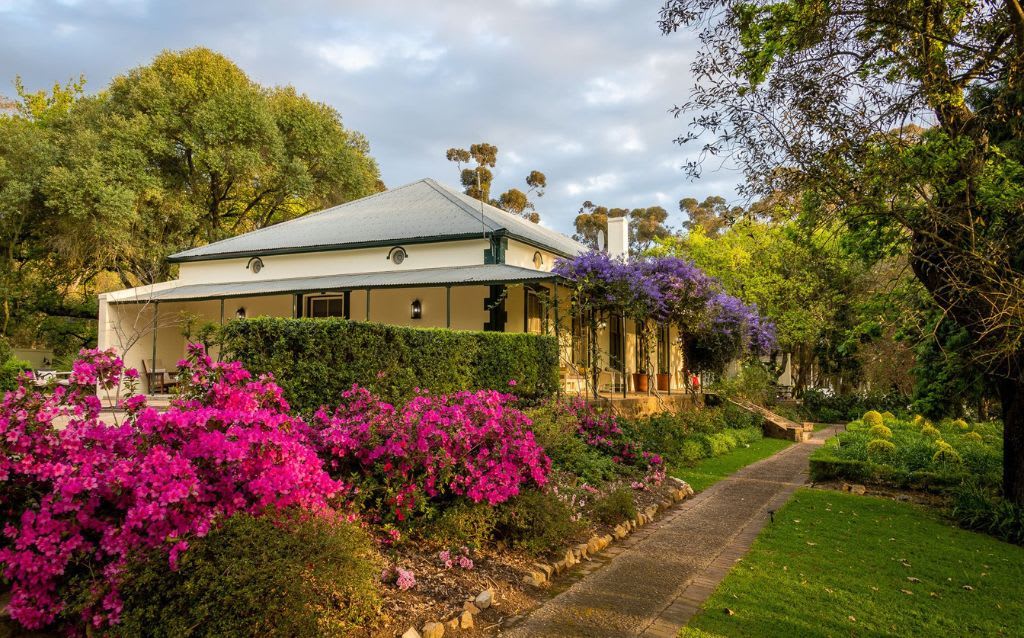
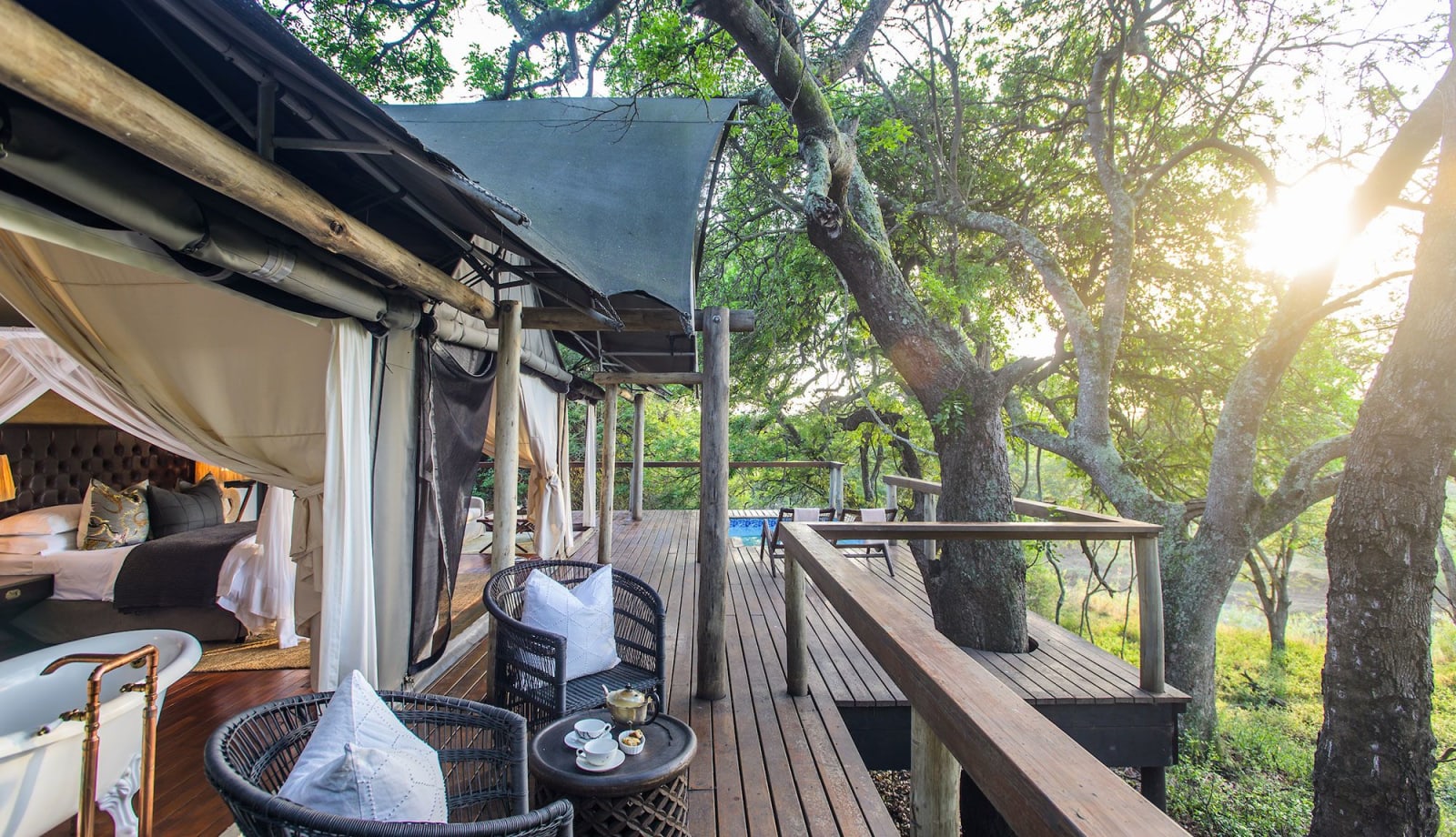
Hosts on Spekboom have recorded the Burnt-necked Eremomela at stays in or beside Kruger National Park. A record means a host has seen it on the property or nearby, which makes these the places to base yourself; it is never a guarantee of a sighting on any given day.
The Burnt-necked Eremomela is most recorded in Limpopo (46% of records), North West (20% of records), Mpumalanga (15% of records), based on 181 iNaturalist observations. 4 places to stay on Spekboom in South Africa have recorded the Burnt-necked Eremomela on site or nearby.
The Burnt-necked Eremomela is recorded throughout the year, so no month is the wrong month to look for it. For the parks where hosts record it most, these are the best seasons they give. Kruger National Park: Apr-Sep. In the dry months animals concentrate at water and the grass is short.
The burnt-necked eremomela (Eremomela usticollis) is a species of bird formerly placed in the "Old World warbler" assemblage, but now placed in the family Cisticolidae. It is found in Angola, Botswana, Malawi, Mozambique, Namibia, South Africa, Swaziland, Zambia, and Zimbabwe. Its natural habitats are subtropical or tropical dry forests, dry savannah, and subtropical or tropical dry shrubland.