The Cape sparrow or mossie (Passer melanurus) is a bird of the sparrow family Passeridae found in southern Africa.
Recorded year-round
Recorded in every month, so no month is the wrong month to look. We would rather say that than invent a best time.
Curve from 6,961 national iNaturalist observations, not from one property. Single-month spikes are discarded as upload artefacts, and below 50 records we show no curve at all.
Western Cape and beyond
Provinces where Cape Sparrow is most recorded. Tap one to find places to stay.
6,960 records, iNaturalist
50+ Ergebnisse in Südafrika
Eine Reise planen
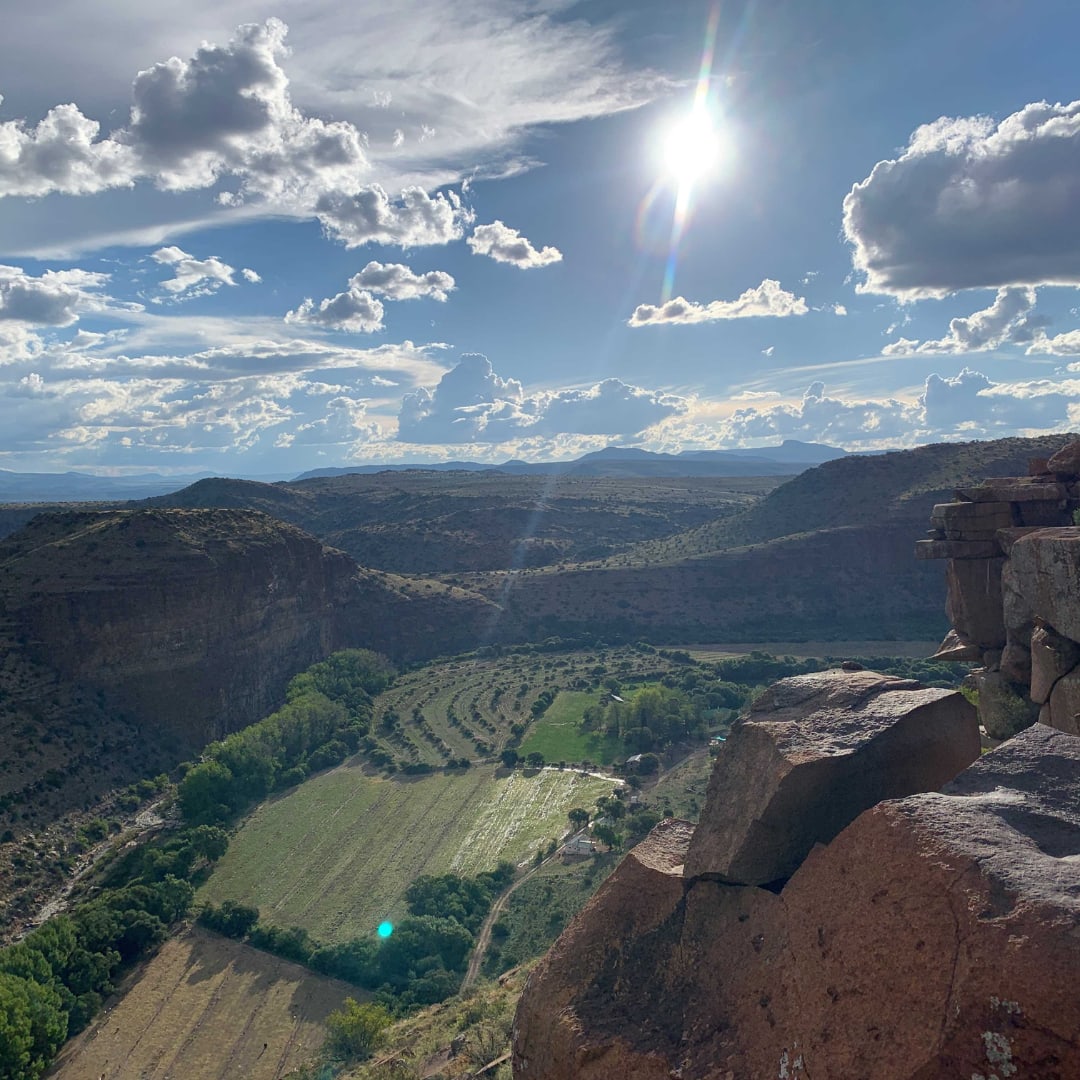
Cape Sparrow: von Gastgebern erfasst in oder bei Kgalagadi Transfrontier Park.
Selbst fahren
Eigenes Fahrzeug, eigenes Tempo, auf den Straßen des Parks.
Wo Gastgeber die Art erfassen
Art
Passer melanurus
Nachweise
6 960
iNaturalist-Beobachtungen
Jede Buchung auf Spekboom unterstützt den Naturschutz.
Ein Nachweis bedeutet, dass ein Gastgeber den Cape Sparrow auf dem Grundstück oder in der Nähe gesehen hat. Eine Sichtung ist nie garantiert.
Hosts on Spekboom have recorded the Cape Sparrow at stays in or beside Kgalagadi Transfrontier Park. A record means a host has seen it on the property or nearby, which makes these the places to base yourself; it is never a guarantee of a sighting on any given day.
The Cape Sparrow is most recorded in Western Cape (55% of records), Gauteng (18% of records), Eastern Cape (12% of records), based on 6 960 iNaturalist observations. 72 places to stay on Spekboom in South Africa have recorded the Cape Sparrow on site or nearby.
The Cape Sparrow is recorded throughout the year, so no month is the wrong month to look for it. For the parks where hosts record it most, these are the best seasons they give. Kgalagadi Transfrontier Park: Aug-Oct, flowers, Mar-May. In the dry months animals concentrate at water and the grass is short.
The Cape sparrow or mossie (Passer melanurus) is a bird of the sparrow family Passeridae found in southern Africa. A medium-sized sparrow at 14-16 centimetres (5.5-6.3 in), it has distinctive plumage, including large pale head stripes in both sexes. Its plumage is mostly coloured grey, brown, and chestnut, and the male has some bold black and white markings on its head and neck.