The Cape crow or black crow (Corvus capensis) is slightly larger (48-50 cm in length) than the carrion crow and is completely black with a slight gloss of purple in its feathers.
Recorded year-round
Recorded in every month, so no month is the wrong month to look. We would rather say that than invent a best time.
Curve from 1,165 national iNaturalist observations, not from one property. Single-month spikes are discarded as upload artefacts, and below 50 records we show no curve at all.
Western Cape and beyond
Provinces where Cape Crow is most recorded. Tap one to find places to stay.
1,164 records, iNaturalist
50+ résultats à Afrique du Sud
Préparer un voyage
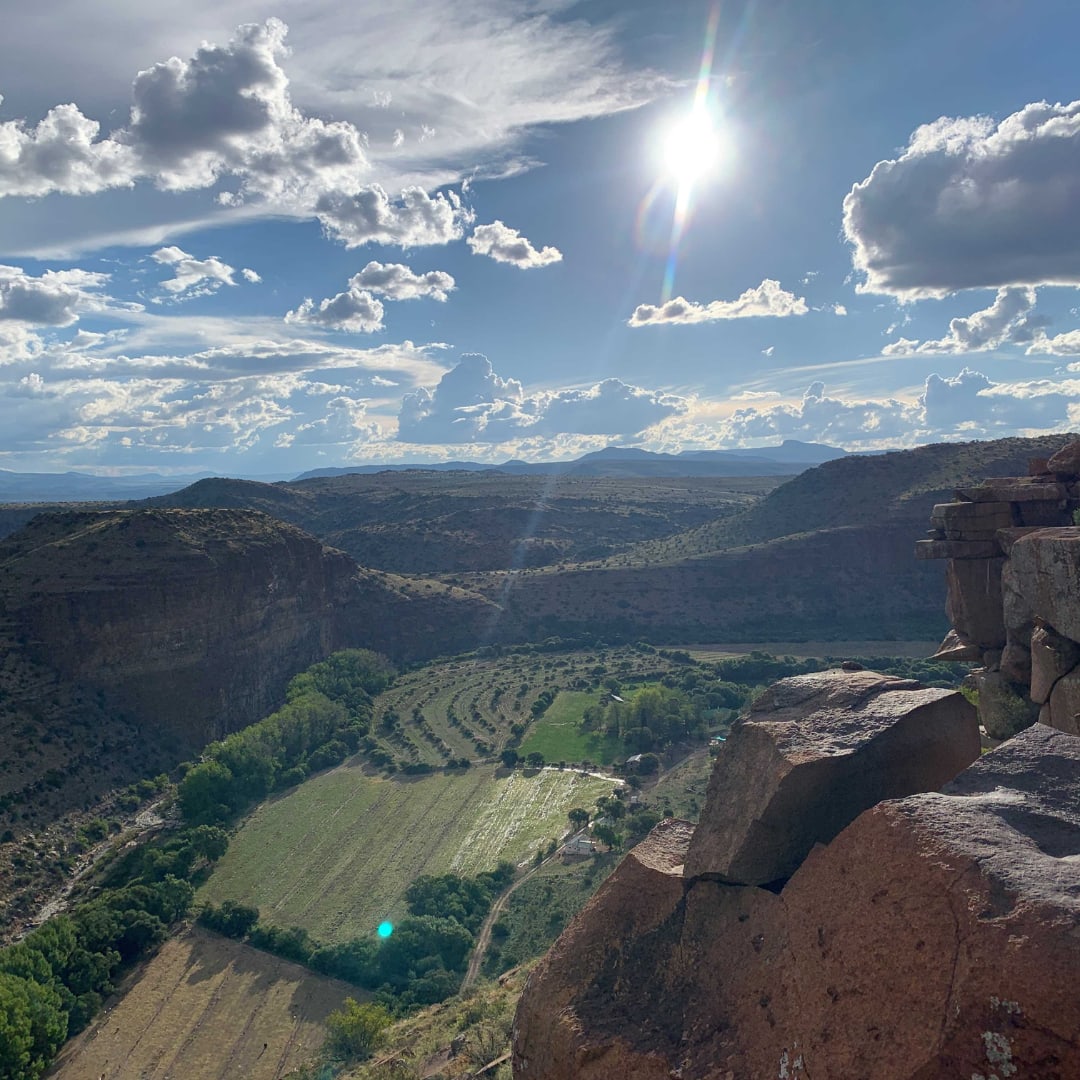
Cape Crow : signalé par des hôtes dans ou près de Kgalagadi Transfrontier Park.
Conduire soi-même
Votre véhicule et votre rythme, sur les routes du parc.
Où les hôtes le signalent
Espèce
Corvus capensis
Observations
1 164
observations iNaturalist
Chaque réservation sur Spekboom soutient la conservation.
Une observation signifie qu'un hôte a vu le Cape Crow sur la propriété ou à proximité. Une observation n'est jamais garantie.
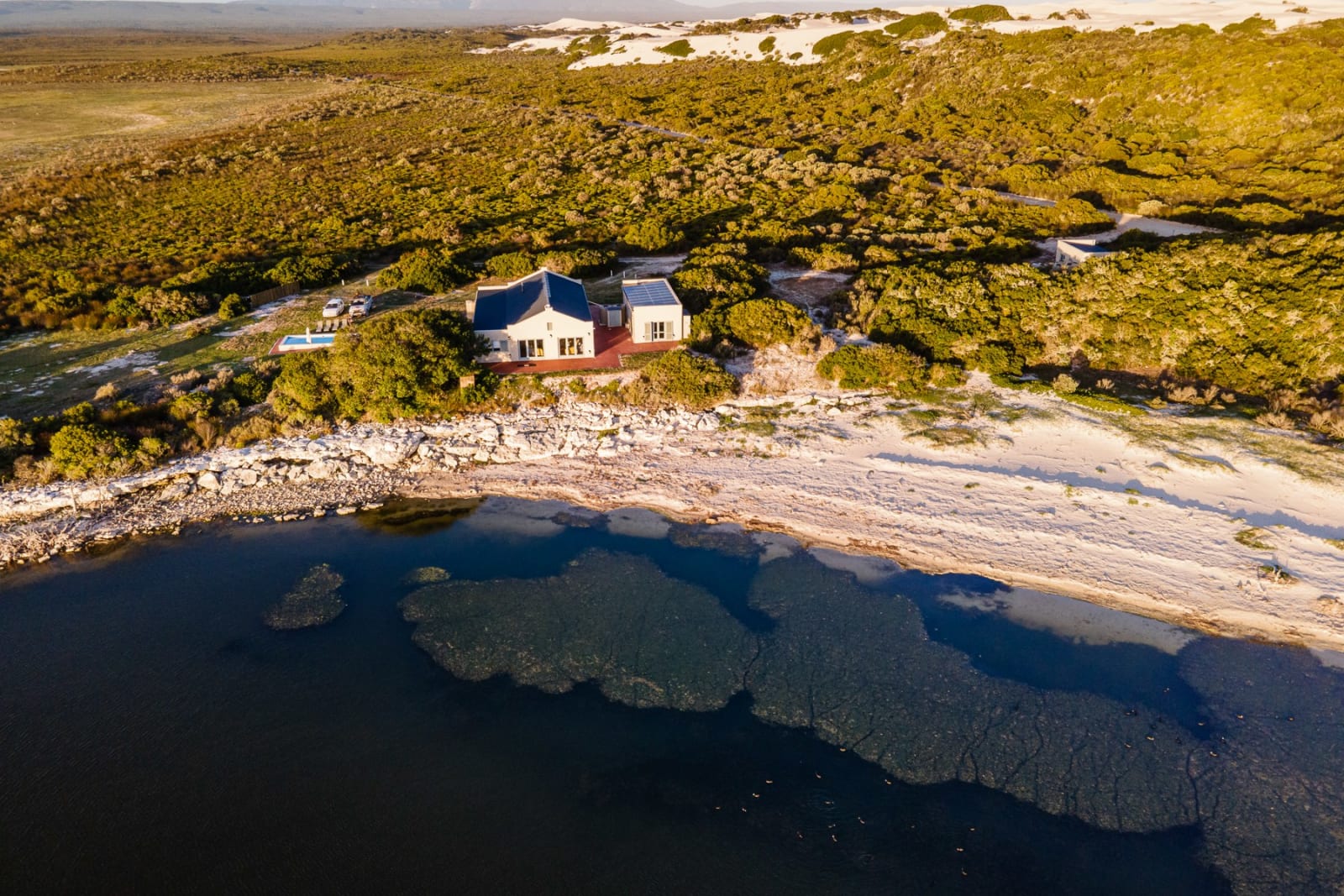
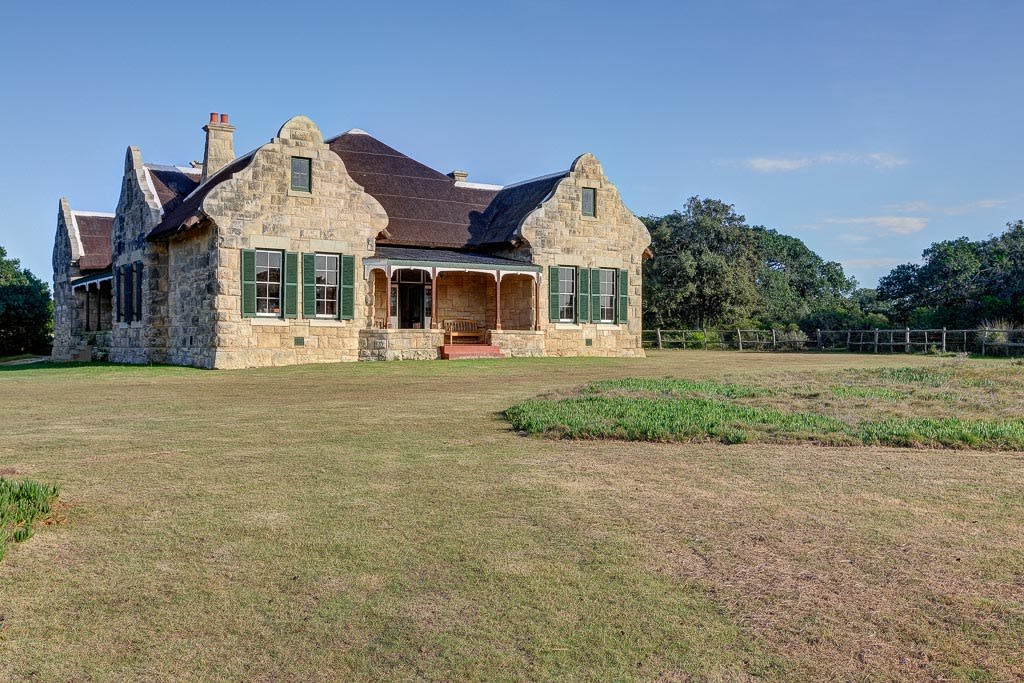
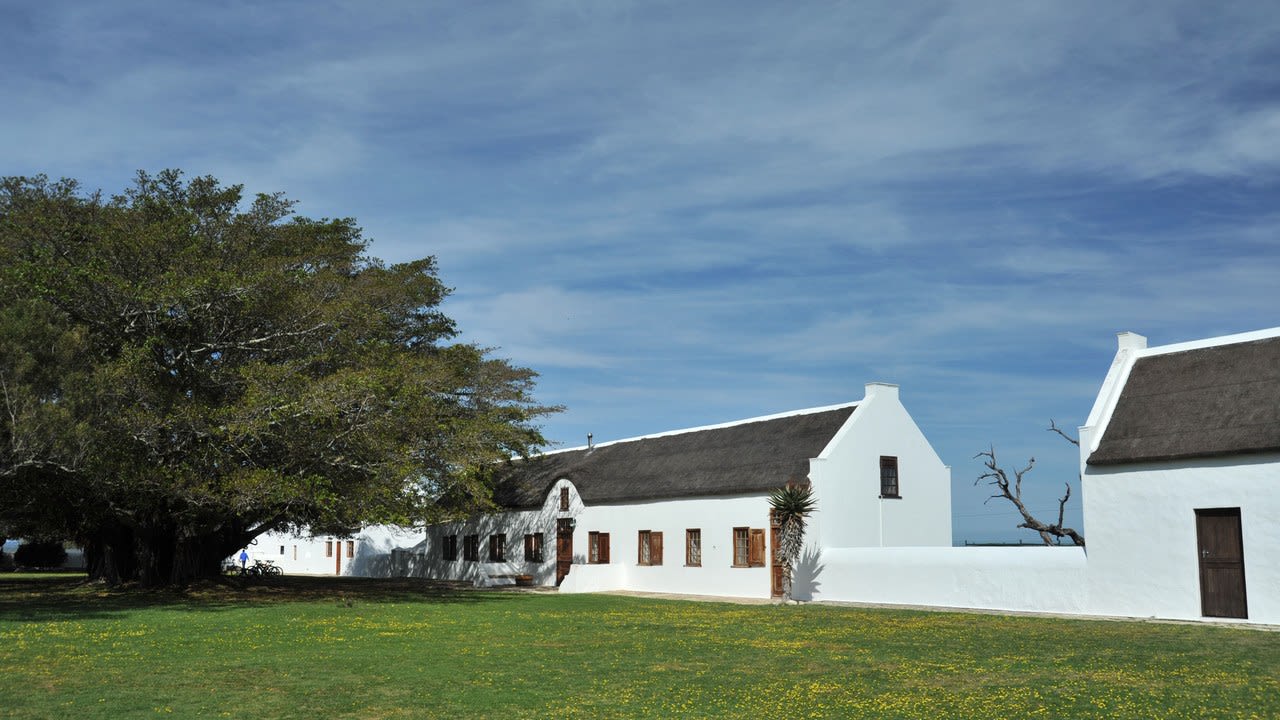
Hosts on Spekboom have recorded the Cape Crow at stays in or beside Kgalagadi Transfrontier Park. A record means a host has seen it on the property or nearby, which makes these the places to base yourself; it is never a guarantee of a sighting on any given day.
The Cape Crow is most recorded in Western Cape (33% of records), Eastern Cape (30% of records), Northern Cape (15% of records), based on 1 164 iNaturalist observations. 64 places to stay on Spekboom in South Africa have recorded the Cape Crow on site or nearby.
The Cape Crow is recorded throughout the year, so no month is the wrong month to look for it. For the parks where hosts record it most, these are the best seasons they give. Kgalagadi Transfrontier Park: Aug-Oct, flowers, Mar-May. In the dry months animals concentrate at water and the grass is short.
The Cape crow or black crow (Corvus capensis) is slightly larger (48-50 cm in length) than the carrion crow and is completely black with a slight gloss of purple in its feathers. It has proportionately longer legs, wings and tail too and has a much longer, slimmer bill that seems to be adapted for probing into the ground for invertebrates.