The orange-breasted sunbird (Anthobaphes violacea) is the only member of the bird genus Anthobaphes; however, it is sometimes placed in the genus Nectarinia.
Recorded year-round
Recorded in every month, so no month is the wrong month to look. We would rather say that than invent a best time.
Curve from 3,631 national iNaturalist observations, not from one property. Single-month spikes are discarded as upload artefacts, and below 50 records we show no curve at all.
Western Cape
Provinces where Orange-breasted Sunbird is most recorded. Tap one to find places to stay.
3,631 records, iNaturalist
50+ resultaten in Zuid-Afrika
Een reis plannen
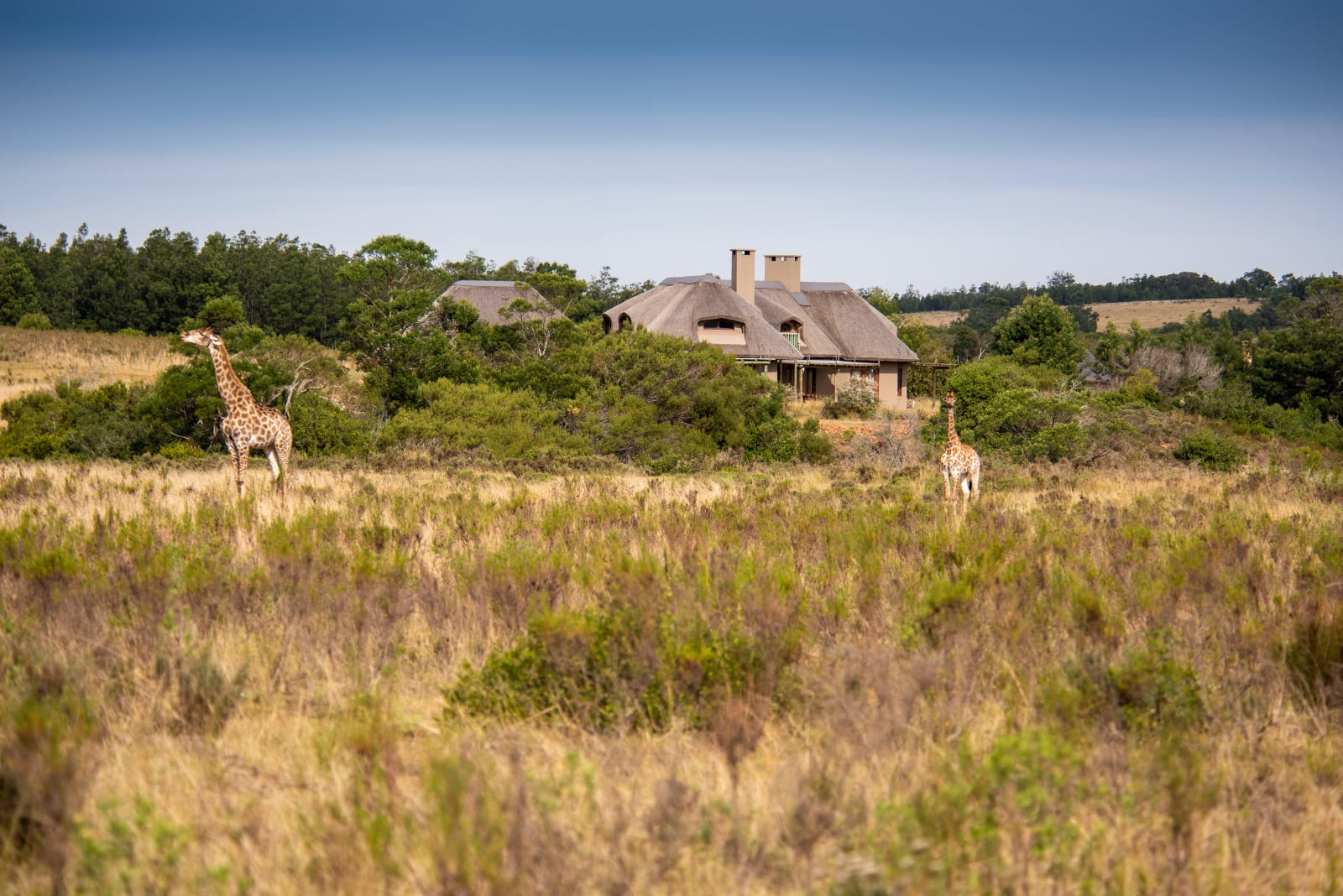
Orange-breasted Sunbird: door gastheren waargenomen in of bij Gondwana Game Reserve.
Begeleide ritten vanuit een lodge
Een gids die weet waar te kijken, met offroad- en nachtritten in de privéreservaten.
Waar gastheren de soort waarnemen
Soort
Anthobaphes violacea
Waarnemingen
3 631
iNaturalist-waarnemingen
Elke boeking op Spekboom steunt natuurbehoud.
Een waarneming betekent dat een gastheer de Orange-breasted Sunbird op of bij het terrein heeft gezien. Een waarneming is nooit gegarandeerd.
Hosts on Spekboom have recorded the Orange-breasted Sunbird at stays in or beside Gondwana Game Reserve. A record means a host has seen it on the property or nearby, which makes these the places to base yourself; it is never a guarantee of a sighting on any given day.
The Orange-breasted Sunbird is most recorded in Western Cape (99% of records), based on 3 631 iNaturalist observations. 60 places to stay on Spekboom in South Africa have recorded the Orange-breasted Sunbird on site or nearby.
The Orange-breasted Sunbird is recorded throughout the year, so no month is the wrong month to look for it. For the parks where hosts record it most, these are the best seasons they give. Gondwana Game Reserve: Sep-Apr, flowers Aug-Oct. In the dry months animals concentrate at water and the grass is short.
The orange-breasted sunbird (Anthobaphes violacea) is the only member of the bird genus Anthobaphes; however, it is sometimes placed in the genus Nectarinia. This sunbird is endemic to the fynbos habitat of southwestern South Africa.