The common buzzard is a medium-to-large bird of prey whose range covers most of Europe and extends into Asia.
Most records Nov to Feb
When Steppe Buzzard sightings peak, from open records. Outside these months it is seen less often, not never.
Curve from 946 national iNaturalist observations, not from one property and not from this province. Single-month spikes are discarded as upload artefacts, and below 50 records we show no curve at all.
Western Cape and beyond
Provinces where Steppe Buzzard is most recorded. Tap one to find places to stay.
946 records, iNaturalist
2 resultaten in Limpopo
Een reis plannen
Steppe Buzzard: door gastheren waargenomen in of bij Welgevonden Game Reserve.
Begeleide ritten vanuit een lodge
Een gids die weet waar te kijken, met offroad- en nachtritten in de privéreservaten.
Waar gastheren de soort waarnemen
Soort
Buteo buteo vulpinus
Waarnemingen
946
iNaturalist-waarnemingen
Elke boeking op Spekboom steunt natuurbehoud.
Een waarneming betekent dat een gastheer de Steppe Buzzard op of bij het terrein heeft gezien. Een waarneming is nooit gegarandeerd.
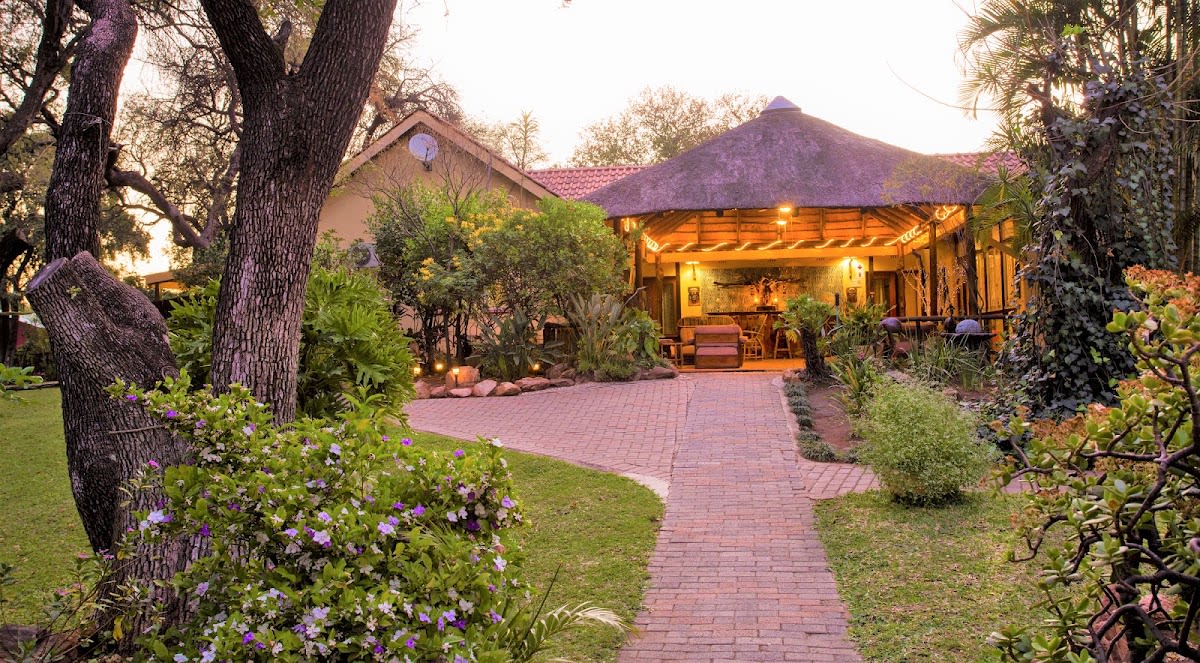
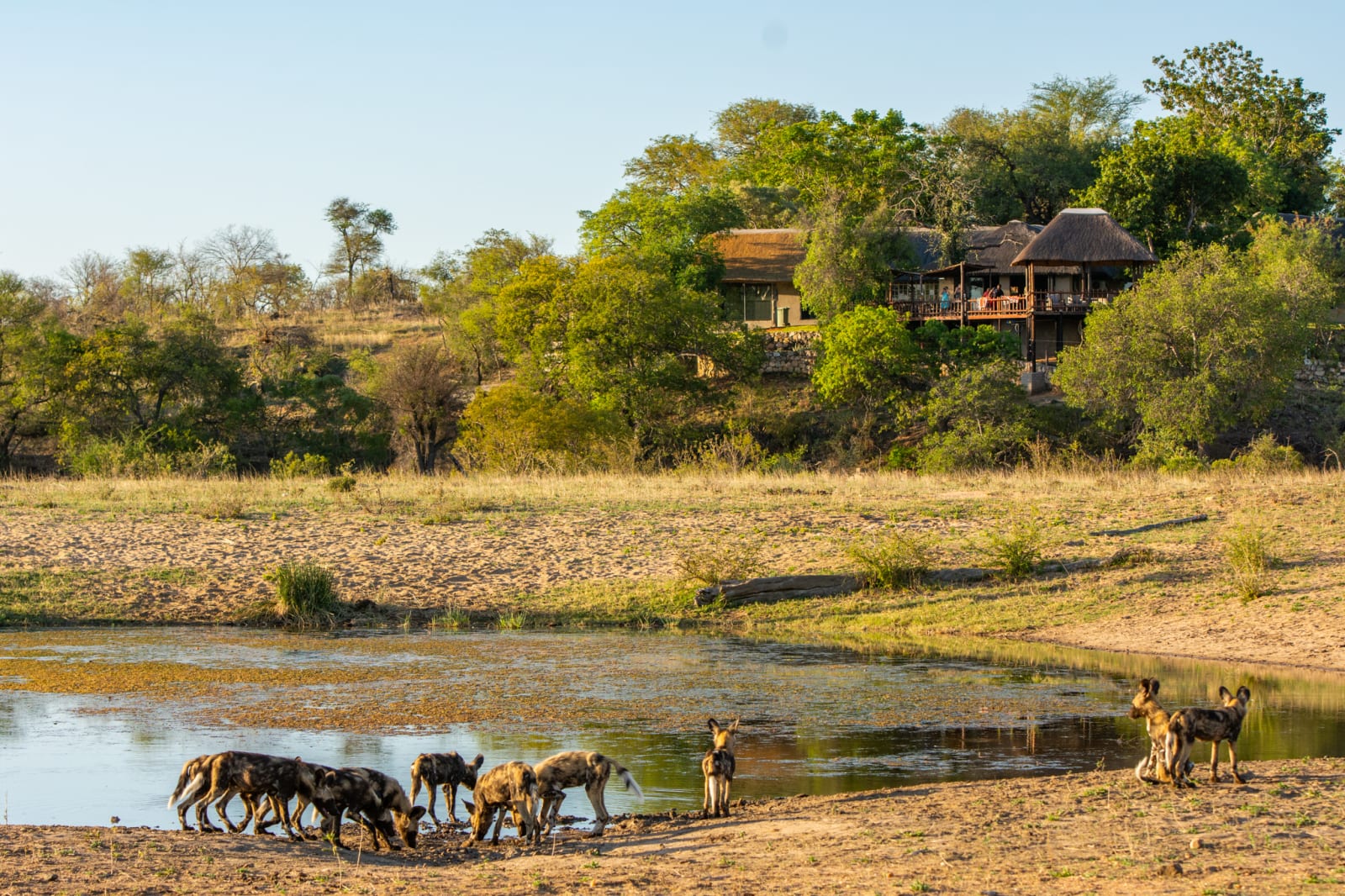
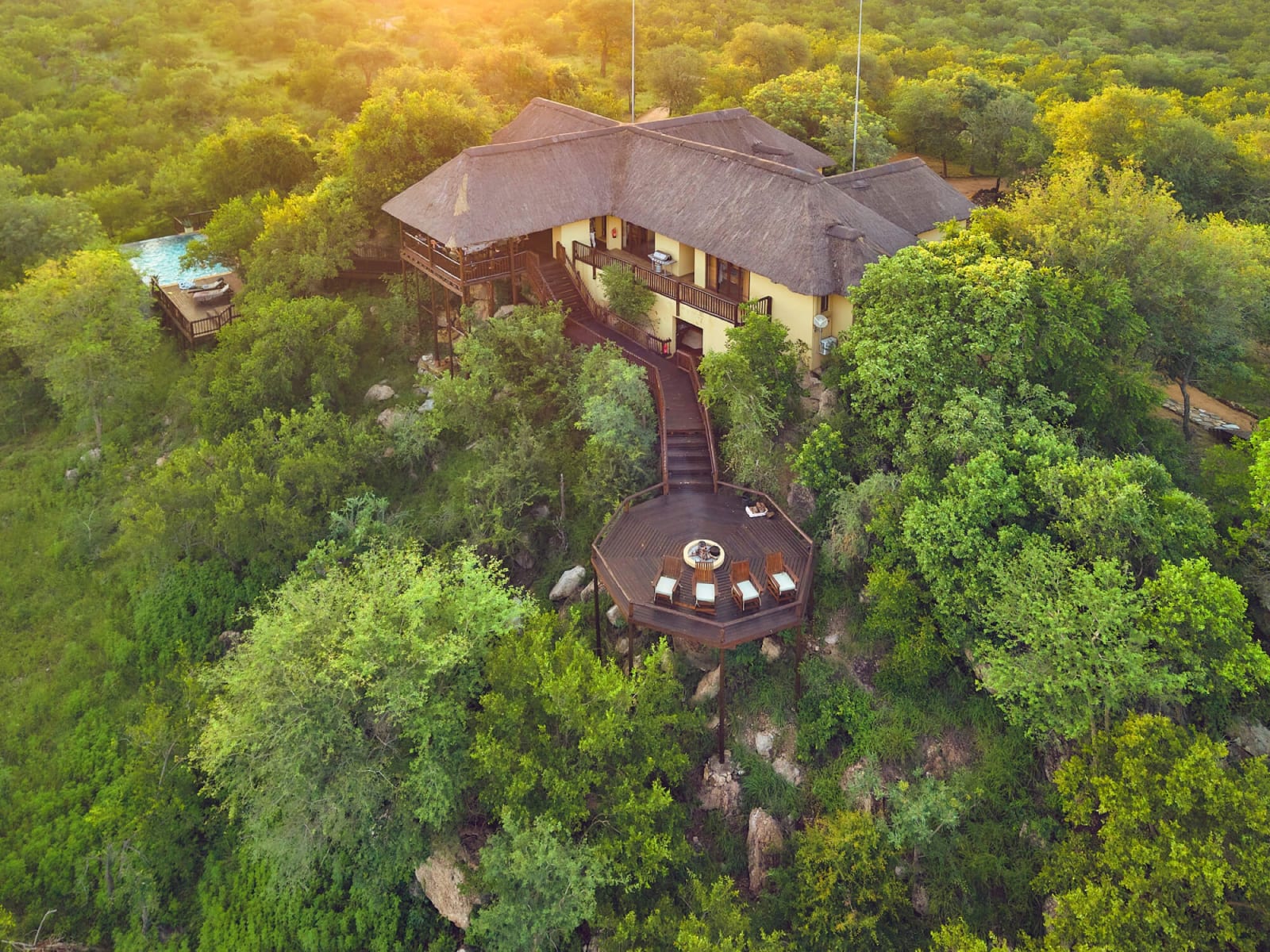
Hosts on Spekboom have recorded the Steppe Buzzard at stays in or beside Welgevonden Game Reserve. A record means a host has seen it on the property or nearby, which makes these the places to base yourself; it is never a guarantee of a sighting on any given day.
The Steppe Buzzard is most recorded in Western Cape (41% of records), KwaZulu-Natal (31% of records), Eastern Cape (9% of records), based on 946 iNaturalist observations. 2 places to stay on Spekboom in Limpopo have recorded the Steppe Buzzard on site or nearby.
Sightings of the Steppe Buzzard peak from Nov to Feb, based on 946 iNaturalist records. You may still see it outside those months, sightings are just less frequent.
The common buzzard is a medium-to-large bird of prey whose range covers most of Europe and extends into Asia. Over much of its range, it is resident year-round, but birds from the colder parts of the Northern Hemisphere typically migrate south (some well into the Southern Hemisphere) for the northern winter.