Albany Thicket stays
30+ results in Africa
30+ results in Africa
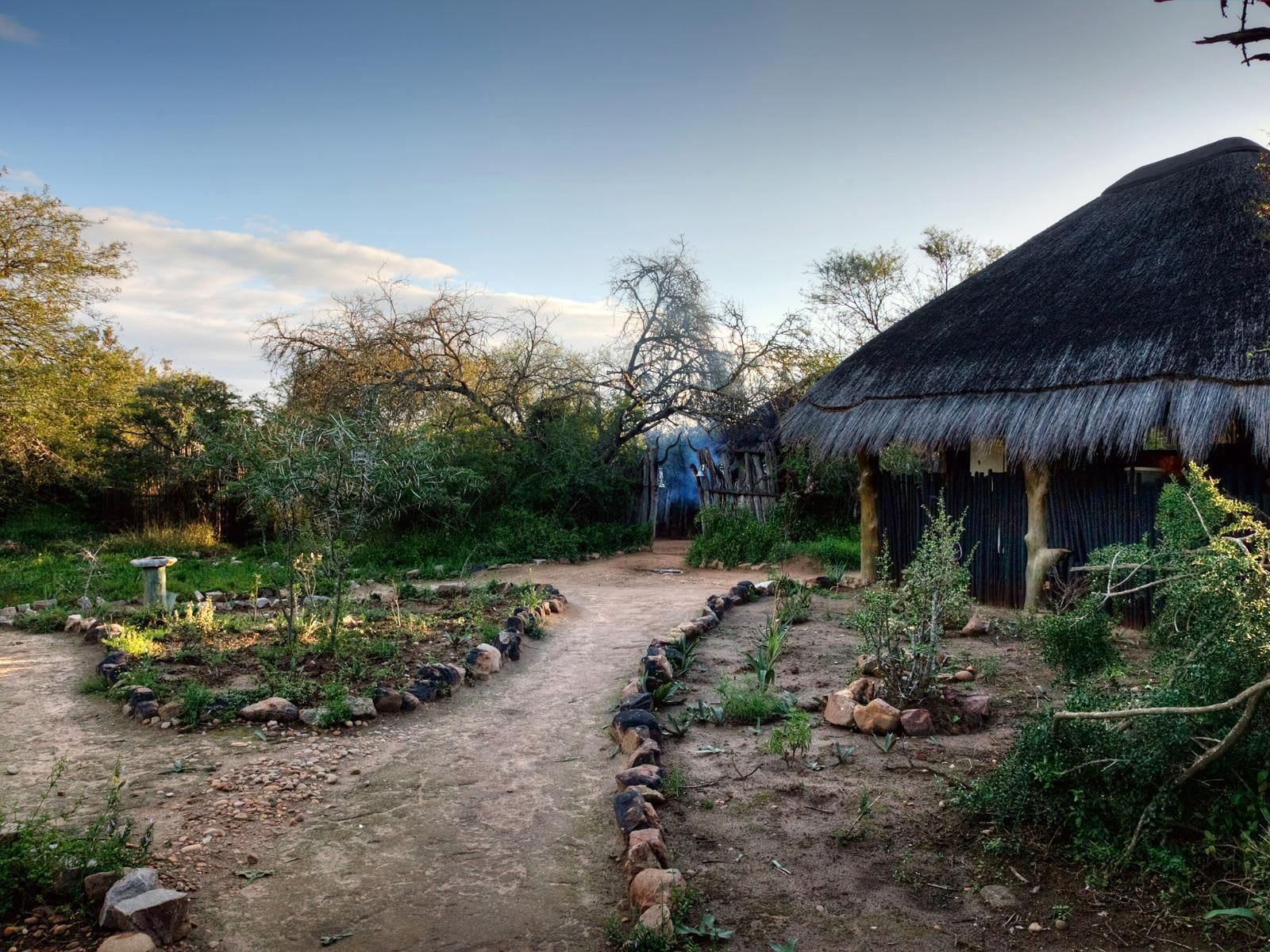
Albany Thicket is the dense, spiny, evergreen tangle that fills the warm river valleys of the Eastern Cape, from the Sundays River through Addo to the Great Fish and the Kowie. It grows nowhere else on earth. Its signature plant is the spekboom, a small succulent with round jade leaves that this platform is named for, and which stores carbon at rates closer to a rainforest than a scrubland because it changes the way it breathes between night and day.
It is also the biome that has taken the worst beating. Two centuries of goat farming stripped much of it to bare, eroding ground, and restoring it by planting spekboom cuttings across degraded valleys is one of the largest ecological restoration efforts in the country. Addo Elephant National Park exists inside this thicket and the elephants that survived there ate it for a century without destroying it.
The thicket has no bad season. It is frost-free and mild in winter, hot but not extreme in summer, malaria-free and an easy add-on to the eastern end of the Garden Route. Stays run from rest camps inside Addo to river-valley lodges, private reserves rebuilt on former farmland, and the Karoo-edge villages where the thicket climbs into the hills.
A biome of dense, spiny, evergreen shrubland found only in the warm valleys of the Eastern Cape and the eastern Karoo edge. It is dominated by spekboom and is unusually good at storing carbon. Addo Elephant National Park, the Great Fish River reserve and the private reserves around Makhanda all sit inside it.
Any month. The valleys are frost-free in winter and warm rather than extreme in summer, and rain falls through the year rather than in one season. It is malaria-free, which makes it the usual choice for a family safari, and it pairs naturally with the eastern end of the Garden Route.
Spekboom switches between two photosynthesis pathways, taking in carbon dioxide at night when water loss is lowest, so it keeps growing through drought when other plants stop. Dense stands lock away large amounts of carbon, and because every dropped branch can root, degraded land can be replanted from cuttings by hand. That is what the restoration programmes in these valleys do.