Desert stays
10+ results in Africa
10+ results in Africa
True desert in Southern Africa means the Namib and the arid margins that run into the Richtersveld and the Kalahari fringe: less than a hundred millimetres of rain a year, fog rolling in off a cold ocean, and plants and animals that live on it. It is the oldest desert on earth and the least likely landscape in the region to feel like anywhere else.
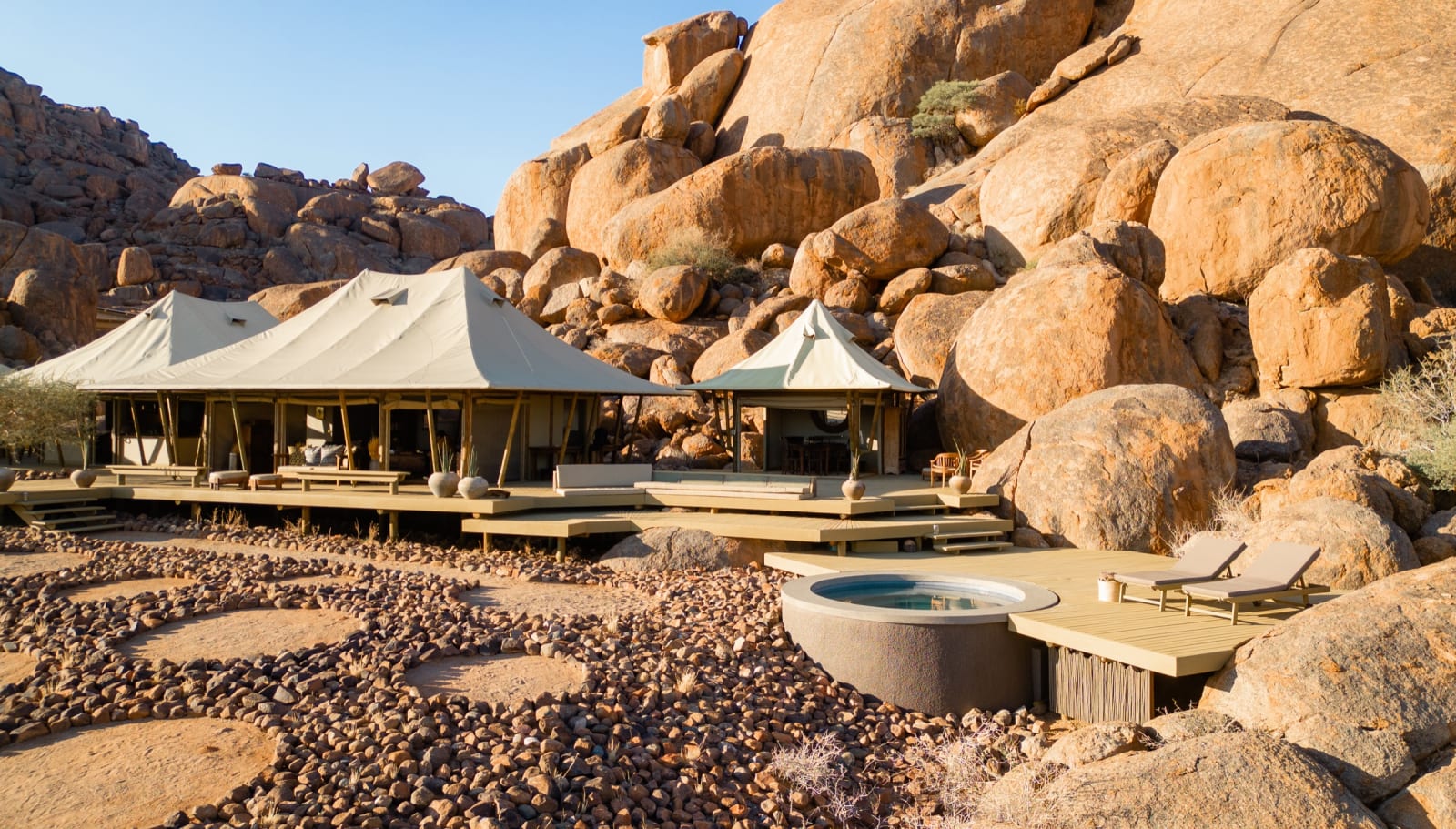
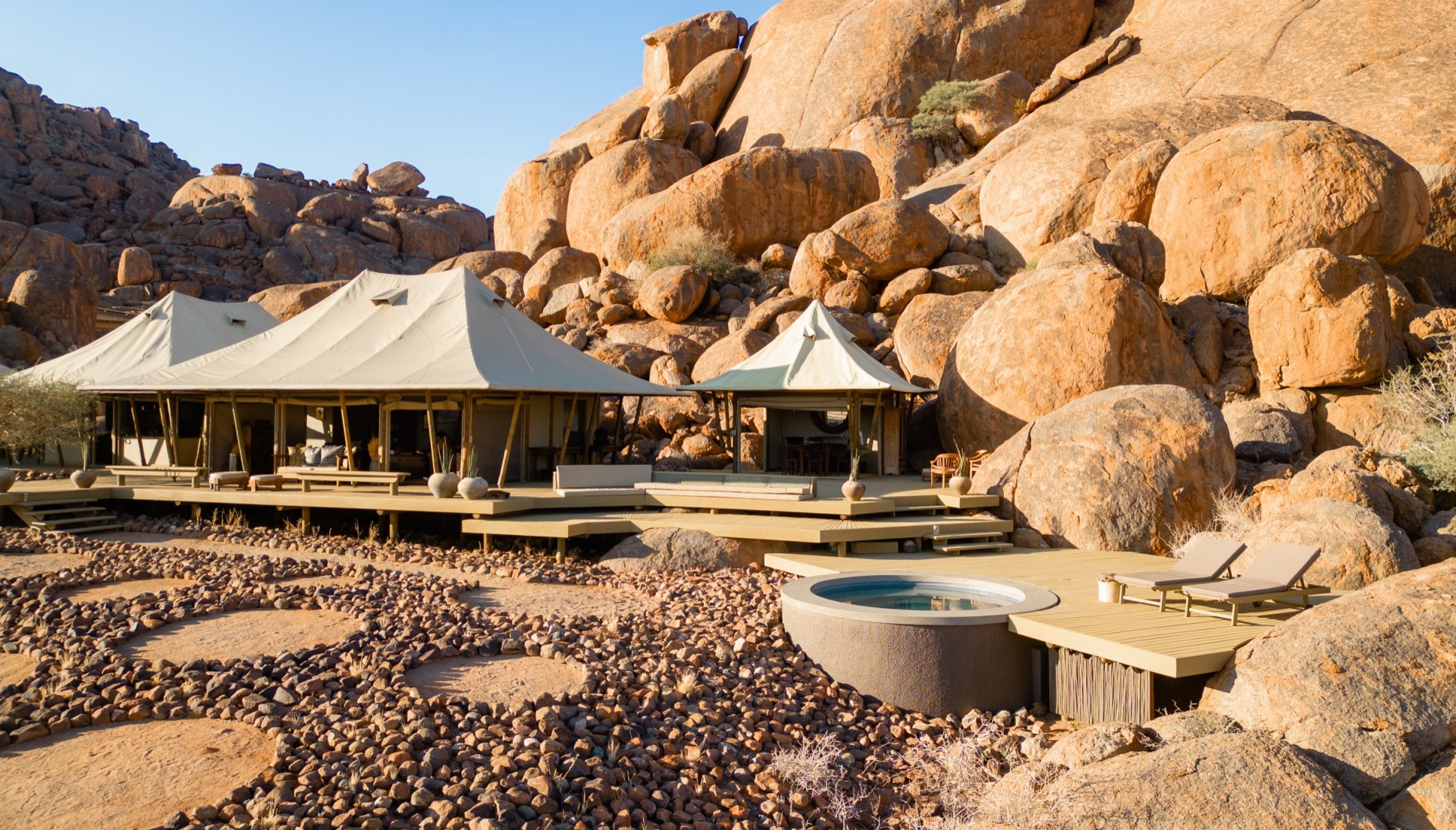
Sossusvlei's red dunes, the Skeleton Coast where the sand meets the Atlantic, NamibRand as a certified dark-sky reserve, and the mountain desert of the Richtersveld along the Orange River are the places to stay. Season is a practical matter rather than a scenic one: the cooler months from April to September make the days bearable and the nights cold, and midsummer on the sand is genuinely punishing. The coast is cool and foggy in every month.
Distances are long, fuel stops are far apart and much of it is gravel, so a desert trip is planned around the driving as much as the sights. What you get back is silence, scale, some of the clearest night skies anywhere, and animals that should not be able to live there: desert-adapted elephants on the dry riverbeds, oryx on the dunes, and a fog-basking beetle that drinks from its own back.
April to September, when days are bearable and the light is clean. Nights are cold, sometimes below freezing, so pack for both. Midsummer is very hot on the sand, and the Atlantic coast stays cool and foggy in every month.
Sossusvlei and the Sesriem area inside the Namib-Naukluft park, the NamibRand reserve south of it, the Skeleton Coast camps, and the Richtersveld along the Orange River on the South African side. Camps range from national park rest camps to small private lodges on private reserves.
Not for the main Namibian routes, which are graded gravel and fine for a two-wheel-drive with clearance, driven slowly. The Richtersveld, the Kaokoveld and the coastal sand concessions do need one. Carry extra water, fuel and two spares, and tell someone your route.