Grassland stays
75+ results in Africa
75+ results in Africa
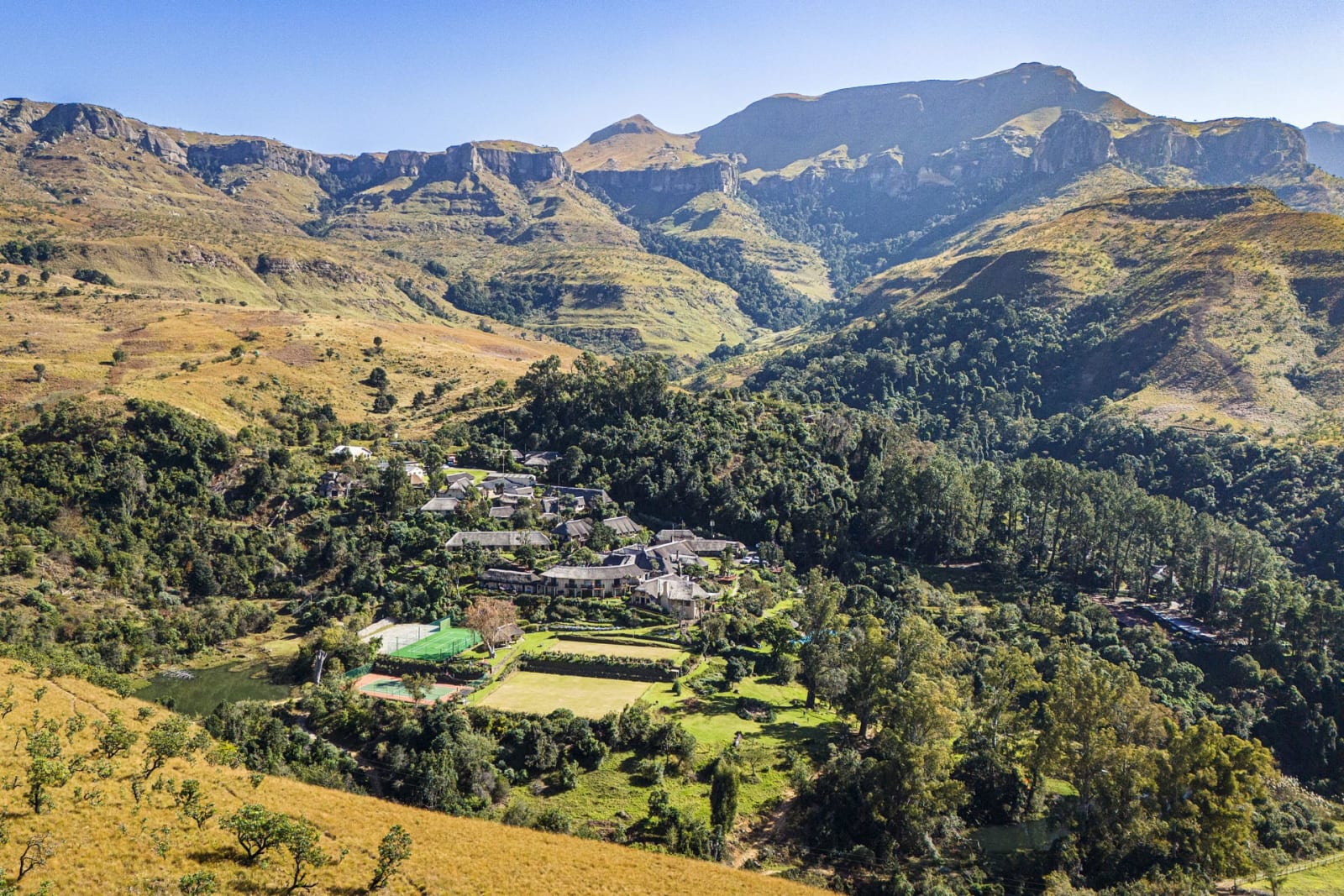
Grassland covers the high interior: the Highveld, the Free State, the KwaZulu-Natal Midlands and the foothills of the Drakensberg. It looks empty at a glance and is anything but. Almost all of its diversity is below ground or at ankle height, in bulbs, orchids and perennials that survive fire and frost, which is why a ploughed grassland never comes back. It is the most transformed biome in the country and the least protected.
It is also the country's crane landscape. All three South African crane species, the blue crane, the grey crowned crane and the wattled crane, depend on grassland and the wetlands inside it, which is why BirdLife South Africa concentrates so much of its work here. Summer, from November to March, is when the grassland is green, the migrants are in, the wildflowers come up after burns and the afternoon thunderstorms roll across the high country. Winter is straw-coloured, frosty, very clear and the best time for walking and for big-sky views from the Berg.
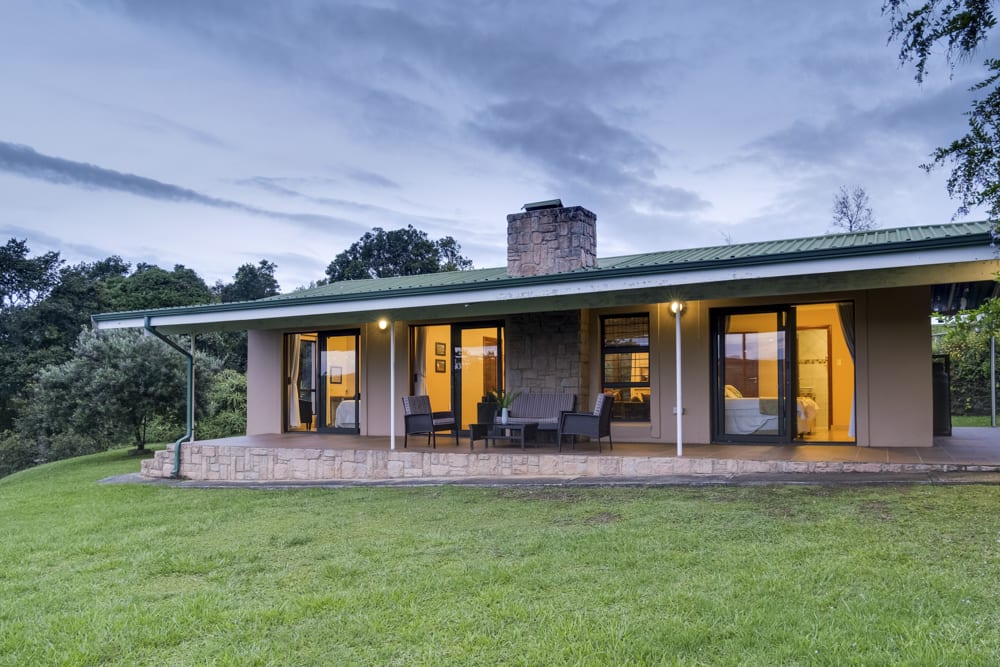
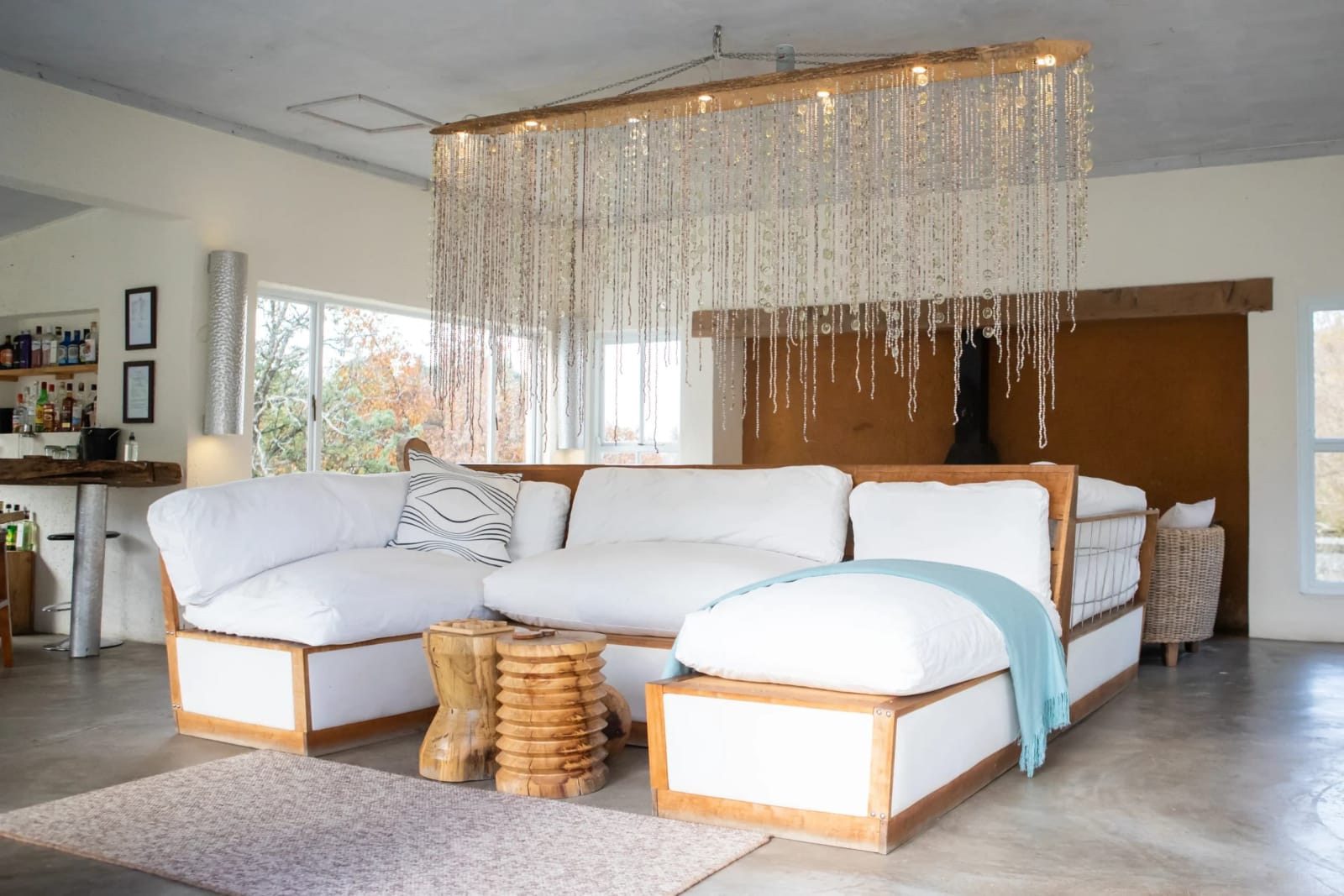
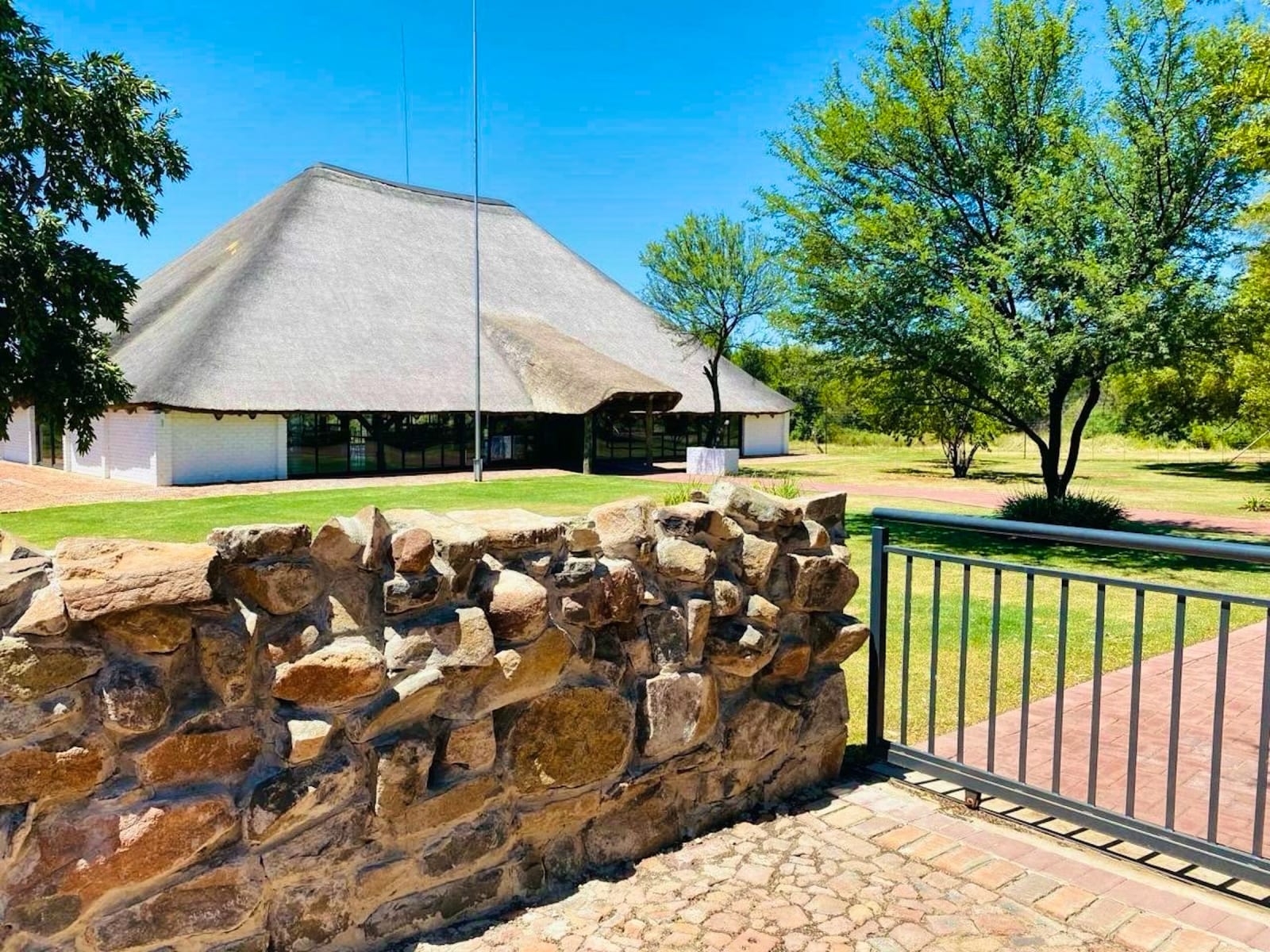
Stays are farm cottages, trout lodges in the Midlands, sandstone houses on the Free State side and the foothill lodges under the Drakensberg escarpment.
Summer, November to March, for green country, wildflowers, breeding birds and dramatic storm light. Winter is dry, frosty and very clear, which suits walking, mountain views and cranes gathering at wetlands. Both work; they are simply different trips.
The KwaZulu-Natal Midlands and the Karkloof, the Drakensberg foothills around Bergville, Winterton and Underberg, the eastern Free State around Clarens and Fouriesburg, and the Highveld farm country. Many are working farms or trout estates.
They hold the breeding range of all three South African crane species and a long list of grassland endemics such as Rudd's lark and the Botha's lark, most of which live nowhere else. Because grassland cannot be restored once ploughed, the remaining patches matter far more than their size suggests, which is why BirdLife South Africa works here.