Explore South Africa by province






Beach stays in South Africa
75+ results in South Africa
75+ results in South Africa
South Africa has one coastline and two oceans, and which one you are on decides the holiday. The Atlantic side, from the Cape Peninsula up the west coast, is cold, clear and dramatic: white sand, kelp, fishing villages and water most people look at rather than swim in. The Indian Ocean side warms as you go east, from the whale bays of the Overberg through the lagoons of the Garden Route to the subtropical KwaZulu-Natal coast, where the sea is swimmable in every month of the year.
The seasons run against each other. The Cape beaches are a summer proposition, from November to March, when the days are long and the southeaster is the only complaint. The Overberg is a winter and spring destination, because that is when the southern right whales are calving close enough to shore to watch from a cliff path. KwaZulu-Natal has its best beach weather in the dry winter, May to August, when it is warm, dry and far less humid than in summer.
Every stay on this page is in a coastal town, which is a deliberately conservative test: a photo of the sea is not the same thing as being on it. Pair a beach trip with surfing, whale watching, sea kayaking, or the sea-rescue and seabird causes that a booking on this coast helps fund.
The Cape beaches are at their best from November to March. The Overberg whale coast is a winter and spring trip, June to November. KwaZulu-Natal has warm water all year and its most comfortable beach weather in the dry winter, May to August. The Garden Route is mildest from October to April.
From the Eastern Cape northwards the Indian Ocean is swimmable in every season, and KwaZulu-Natal is the warmest. The Garden Route and False Bay are comfortable in summer. The Atlantic coast, from the Cape Peninsula up the west coast, is cold all year; the Langebaan lagoon is the exception.
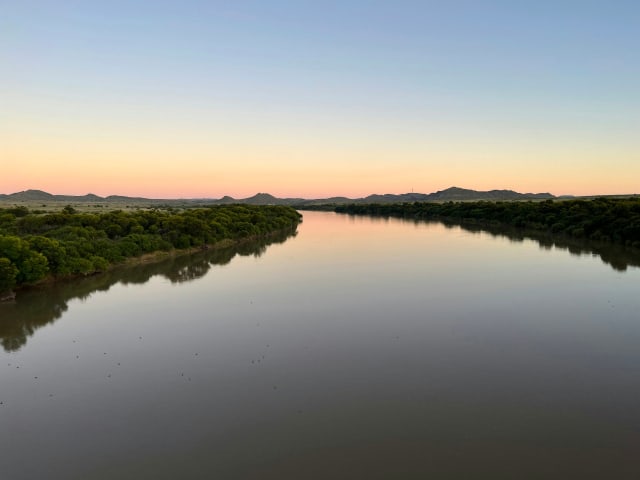
By where it is, not by what its photos show. A stay appears here when it sits in a coastal town, from Paternoster on the west coast around to Sodwana Bay in the far north east. Photo tags were not used, because an automated tagger reads a farm dam as sea and would have filled this page with Karoo villages.
At beaches with lifeguards, between the flags, yes. Rip currents are the main hazard on the open coast, so swim where others are swimming and ask locally about conditions. The National Sea Rescue Institute, a volunteer service, covers the whole coastline, and several stays here are linked to it as their cause.